Common problems with flat access for rubbish clearance in SE1 area
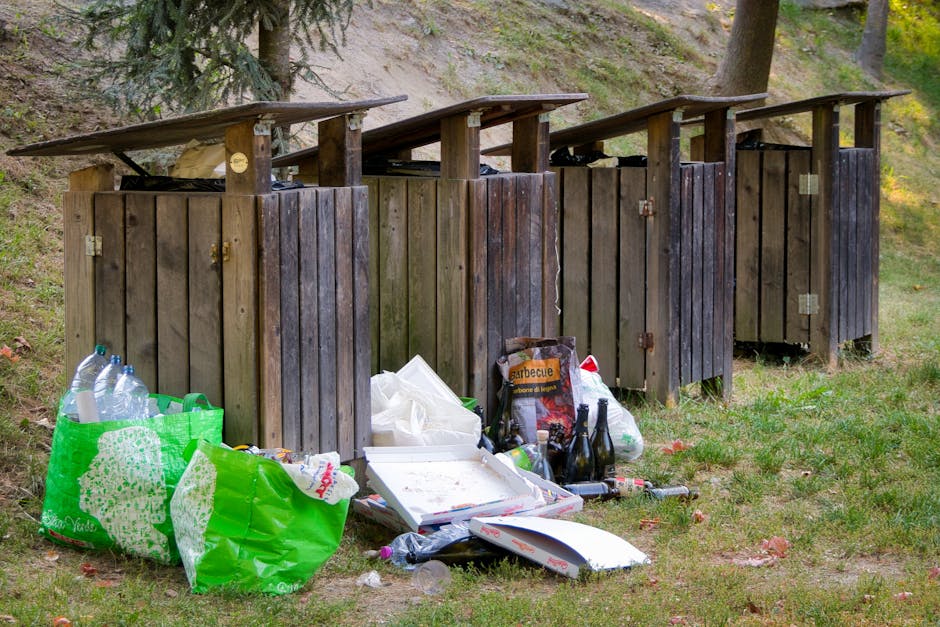
Flat clearances sound simple on paper. In reality, anyone dealing with common problems with flat access for rubbish clearance in SE1 area quickly learns that stairs, tight corridors, parking restrictions, lift access, and awkward building layouts can turn a straightforward job into a slow, stressful one. In SE1, where apartment blocks, converted buildings, mansion flats, and busy streets all sit close together, access is often the real issue, not the rubbish itself.
If you are planning a clearance, it helps to understand the pinch points before the team arrives. That way you can avoid delays, extra handling, and the kind of half-day jobs that somehow become all-day affairs. Below, you will find a practical guide to the most common access barriers, how they affect the clearance process, and what you can do to make things smoother. A little planning goes a long way. Honestly, it saves everyone a headache.
- Why flat access problems matter in SE1
- How flat access affects rubbish clearance
- Key benefits of planning access properly
- Who this is for and when it makes sense
- Step-by-step guidance
- Expert tips for better results
- Common mistakes to avoid
- Tools, resources and recommendations
- Law, compliance, standards and best practice
- Options and comparison table
- Real-world example
- Practical checklist
- Conclusion
- Frequently asked questions
Why Common problems with flat access for rubbish clearance in SE1 area Matters
Access is the hidden part of most clearance jobs. People usually think about what is being removed: old furniture, bagged rubbish, white goods, builders' debris, or general flat clearance waste. But in SE1, the real challenge is often getting those items from the flat to the vehicle safely and without disrupting neighbours, concierge staff, or the building itself.
That matters for a few reasons. First, poor access slows everything down. Second, tight access raises the chance of damage to walls, banisters, floors, and communal areas. Third, access issues can affect the price, because more handling time usually means more labour. And in busy parts of SE1, where parking can be limited and roads can be narrow or heavily trafficked, timing is not a small detail. It is the whole thing.
There is also a neighbourly side to it. A clearance that blocks a shared hallway, bangs through a stairwell at the wrong time, or leaves bags sitting in a common entrance can create friction very quickly. Let's face it, no one wants to be the flat with the rogue sofa wedged in the lift lobby.
If you want a wider sense of how professional teams handle household and apartment jobs, it may help to look at flat clearance services and related options such as home clearance or house clearance, depending on the property type and volume of items.
How Common problems with flat access for rubbish clearance in SE1 area Works
In simple terms, a clearance team needs a clean route from the flat to the collection point. That route might be a lift, a stairwell, a courtyard, a side entrance, or a loading bay. When access is straightforward, the job is easier to assess and plan. When access is awkward, the team needs more information before they can estimate time, labour, and equipment.
Here is how access tends to affect the job in practice:
- Item size: bulky furniture, mattresses, and wardrobes are harder to move through narrow hallways or tight stair turns.
- Floor level: higher floors usually mean more carrying, more time, and more care.
- Lift availability: lifts can save time, but only if they are big enough and available when needed.
- Parking distance: if the vehicle cannot park close by, crews may need multiple trips.
- Building rules: some blocks require booking lift times, using protective covers, or giving notice to management.
- Refuse storage location: if waste must be collected from a basement, rear yard, or shared bin store, the route can be longer than expected.
In SE1, these issues are especially common in converted Victorian buildings, purpose-built flats, riverside developments, and older blocks with mixed access arrangements. A job may look small from inside the flat, then become a careful carry through three fire doors and a narrow stairwell. Funny how that happens.
The best teams plan around the route before lifting anything. That means asking about the entrance width, stair turns, lift dimensions, parking restrictions, and any building rules that could affect the clearance. If the job includes larger items, the team may also need to think ahead about furniture disposal and the safest way to remove bulky pieces without causing damage.
Key Benefits and Practical Advantages
Getting access right is not just about convenience. It improves the whole experience from start to finish.
- Faster clearance: when the route is clear, the team can work more efficiently.
- Lower risk of damage: measured handling reduces the chance of scuffs, knocks, and complaints.
- Better cost control: accurate access information helps avoid surprises on the day.
- Less stress for residents: fewer delays and fewer awkward negotiations with neighbours or building staff.
- Improved safety: fewer trips through cramped spaces lowers the chance of slips, strains, and dropped items.
- Cleaner finish: rubbish can be removed in a more orderly way, leaving communal areas tidier.
There is also a quieter benefit: good access planning makes you feel more in control. If you have ever tried to organise a clearance while balancing work calls, a moving date, and a building manager who replies two days late, you will know that peace of mind is not trivial.
For people clearing out a flat after a tenancy change, refurb, or family move, a well-planned collection can be the difference between a smooth handover and a rushed panic. If the items include mixed waste, you may also need broader waste removal support, especially where access makes regular bin use impractical.
Who This Is For and When It Makes Sense
This topic matters to a wide range of people in SE1. Some are landlords trying to turn a flat around between tenancies. Some are tenants moving out and realising the lift is too small for a bed frame. Others are estate agents, property managers, executors, or homeowners dealing with inherited items in a block with awkward shared access.
It makes sense to think carefully about flat access if any of the following apply:
- the property is on an upper floor without easy lift access
- there is restricted or resident-only parking nearby
- the building has narrow stairs, turns, or low ceilings
- the clearance includes heavy, awkward, or fragile furniture
- there are concierge rules, time windows, or booking requirements
- you are clearing rubbish during a tight move-out deadline
- you want to avoid disturbing neighbours or shared hallways
It also matters if the flat contains more than just bags of rubbish. A lot of SE1 clearances involve a mix of items: wardrobes, broken chairs, boxes, a TV unit, mattress, and maybe a few builder's offcuts from a small renovation. That mix changes the way the clearance needs to be handled. If your job is heavily furniture-led, it may be worth comparing it with furniture clearance options too.
Step-by-Step Guidance
Here is a practical way to deal with flat access issues before clearance day. Nothing complicated. Just sensible preparation.
- Walk the route from the flat to the street. Check doors, stairs, lifts, corridors, and any tight corners.
- Measure bulky items. Wardrobes, sofas, and mattresses often cause the most trouble. Measure height, width, and depth.
- Note the floor level and lift size. A lift can exist and still be too small to help much.
- Check parking and loading access. Think about where a vehicle can legally stop and how far items must be carried.
- Identify building rules. Ask about booking slots, protective coverings, concierge access, and any moving restrictions.
- Sort items by type. Separate general waste, furniture, recyclables, and anything that needs special handling.
- Clear the route inside the flat. Move smaller objects away from the main path so the team can work safely.
- Share the awkward details early. If there is a low archway, a broken lift, or a long walk from the entrance, say so upfront.
That last step matters more than people think. A five-minute conversation before the job can save forty minutes on the day. Sometimes more.
Where larger loads or repeated journeys are involved, the team may also need to coordinate with builders waste clearance if the flat has been refurbished, or with loft clearance if access problems extend beyond the main living area.
Expert Tips for Better Results
In our experience, the smoothest SE1 clearances usually come down to a few practical habits rather than anything clever.
- Book for quieter times where possible. Early mornings can be easier for parking and lift use, though building rules still come first.
- Keep a clear "landing zone". A tidy staging area near the entrance helps crews work safely and reduces back-and-forth carrying.
- Protect shared areas in advance. If your building expects it, use floor protection or ask the team what they normally bring.
- Tell neighbours if the route crosses shared space. A quick note can prevent awkwardness later. People are usually more relaxed when they know what is happening.
- Separate anything reusable. Reusable furniture, working appliances, and recyclable materials should not be mixed with general rubbish if you want the cleanest outcome.
- Ask for a realistic time window. Flat access jobs are rarely precise down to the minute. Leave a bit of breathing room.
One small but useful habit: take a quick photo of the route, especially if the access is unusual. A picture of a narrow stairwell or shared entrance tells a clearer story than a long phone explanation. And yes, it avoids the classic "it looked bigger in my head" problem.
If you are comparing service levels, it can help to review pricing and quotes with the access challenge in mind. Clear access notes lead to more accurate quotes. That is just the truth of it.
Common Mistakes to Avoid
Most problems with flat access are avoidable. The trouble is that people often only notice the issue once the crew is standing in the hallway.
- Underestimating furniture size: a sofa that looks manageable in a lounge can become a nightmare on a spiral stairwell.
- Forgetting about parking: if the vehicle cannot get close, the job will take longer and may cost more.
- Not checking the lift in advance: a lift that is out of service changes everything.
- Ignoring building management rules: some blocks want notice before work starts. Others need a booked slot. Skipping that step causes friction.
- Leaving everything until collection day: if items are still scattered around the flat, access becomes slower and less safe.
- Assuming one person can handle the carry: heavy items often need two-person handling, especially around corners and stairs.
The biggest mistake is probably this: treating access as an afterthought. It is not. It is part of the job brief. Once you see it that way, everything gets easier.
Tools, Resources and Recommendations
You do not need specialist equipment to prepare for a flat clearance, but a few simple tools help a lot.
- Measuring tape: use it for doorways, hallways, and bulky items.
- Mobile phone camera: photos of stairs, lifts, and parking points help a team assess the job properly.
- Notepad or notes app: keep building rules, access times, and contact details together.
- Protective coverings: where appropriate, floor or corner protection can reduce wear in shared spaces.
- Labels or tape: mark items to keep, recycle, donate, or remove. It sounds small, but it saves time.
For wider home moves or larger clearances, related services such as home clearance, garage clearance, and office clearance can also be relevant if the access issue is part of a bigger tidy-up rather than a single flat job.
It is also sensible to review a company's approach to recycling and sustainability. In a city flat setting, where space is limited and sorting is often rushed, knowing how items will be separated and handled can give you a bit more confidence.
Law, Compliance, Standards, or Best Practice
For rubbish clearance in flats, compliance is mostly about safe handling, proper waste transfer, and respecting building rules. It is not glamorous, but it matters. Waste should be managed by responsible practices, with care taken over what is removed, where it goes, and how it is handled in communal areas.
Good practice usually includes:
- avoiding obstruction of fire exits and shared escape routes
- keeping communal hallways tidy and safe during the job
- using suitable lifting methods for heavy items
- separating reusable items from general waste where practical
- being honest about access limits before arrival
In SE1, building management expectations can be just as important as the waste itself. Some developments are strict about lift protection, booking times, or contractor access. That is normal. It may feel fiddly, but it protects residents and the building. And, to be fair, it keeps everyone from pretending a sofa can "probably just squeeze through".
If you want reassurance on operational standards, it is sensible to check a provider's published health and safety policy and insurance and safety information. Those pages do not solve access problems on their own, but they do show whether the company takes safe working seriously.
Options, Methods, or Comparison Table
Different access situations call for different approaches. This table gives a simple comparison of the main options people tend to use in SE1 flat clearances.
| Access situation | Best approach | Pros | Watch-outs |
|---|---|---|---|
| Good lift access and nearby parking | Standard flat clearance | Fast, efficient, usually straightforward | Still check lift size and booking rules |
| Narrow stairs, no lift | Pre-assessed manual carry | Flexible, works in older buildings | Slower and more physically demanding |
| Large bulky furniture | Furniture-specific removal | Safer handling, better planning | May need more than one crew member |
| Mixed rubbish after refurbishment | General waste plus builders' debris clearance | Better sorting and load planning | Heavier loads, more careful route planning |
| Restricted parking or long carry | Timed collection with access notes | Reduces delays and confusion | May affect price and duration |
For business premises or mixed-use flats, business waste removal may be more suitable if the waste is commercial rather than domestic. That distinction matters more than many people realise.
Case Study or Real-World Example
Here is a realistic SE1-style scenario. A resident in a second-floor flat needs to clear a bedroom, a broken chest of drawers, a mattress, several black bags, and a small desk. The building has a lift, but it is compact, and the management office asks for contractor access to be booked in advance. Parking on the road is limited, and the closest legal stopping point is a short walk away.
The first attempt at planning is a bit vague. The resident says, "It should all fit." That usually means it won't. After a proper walkthrough, the team spots two awkward turns in the corridor and realises the desk has to be removed in pieces. The mattress can go through the lift, but only if the crew loads it alone. The chest of drawers, meanwhile, is too bulky to carry safely without taking the drawer fronts off first.
Once the access details are known, the job becomes much easier. The route is kept clear, the lift is booked, and the carry is done in fewer trips. The whole thing still takes a bit of time, but not the sort of time that makes everyone stare at the clock. The result is cleaner, safer, and less stressful for the resident and neighbours alike.
That is really the heart of it. Most access problems are manageable when they are identified early. Not always simple, no. Manageable, yes.
Practical Checklist
Use this before your collection day. It is small, but it works.
- Measure bulky furniture and note any awkward shapes
- Check whether the lift works and whether it is large enough
- Confirm stair access, corridor width, and door clearance
- Find out where the vehicle can legally park
- Ask whether building management needs notice or booking
- Clear the main route inside the flat
- Separate items you want kept from items being removed
- Take photos of access points if the layout is unusual
- Tell the clearance team about any fragile flooring or shared areas
- Allow extra time if the property is on an upper floor
Expert summary: In SE1, flat access problems are usually less about the rubbish and more about the route. If the route is measured, booked, and cleared properly, most jobs become much easier to manage.
Get a free quote today and see how much you can save.
Conclusion
Flat access problems in SE1 are common, but they are rarely hopeless. The mix of older conversions, modern apartment blocks, limited parking, and busy streets means you often need a bit more preparation than you would for a simple house clearance. Once you understand the route, the lift, the stair turns, and the building rules, the whole process becomes far more predictable.
So if you are facing a clearance soon, take a few minutes to measure, photograph, and think through the access. It is a small effort that can save time, money, and stress. And if the job still feels awkward, that is okay too. Some flats are just fiddly. That is life in London, really.
For more background on the company behind the service, you can also explore the about us page or review the contact details when you are ready to talk through the job. A clear plan makes everything calmer.
Frequently Asked Questions
What are the most common access problems for rubbish clearance in SE1 flats?
The most common issues are narrow stairs, small lifts, limited parking, long carries from the vehicle, and building rules around contractor access. Older conversions and busy apartment blocks tend to create the most awkward routes.
Do I need to measure items before booking a flat clearance?
Yes, especially for bulky furniture such as wardrobes, sofas, beds, and desks. Even rough measurements help the team judge whether the items can fit through doors, lifts, and stair turns.
Can rubbish be cleared from a flat without a lift?
Yes, but it usually takes more time and may require more manual carrying. Upper floors without lift access are manageable, though the team needs to know in advance so they can plan properly.
Will restricted parking affect the price?
It can. If the team has to park further away, carry items longer, or make extra trips, that may affect labour time. Exact pricing varies, so it is best to give full access details early.
What should I tell the clearance company before the visit?
Tell them the floor level, lift size, parking situation, building access rules, and whether there are any narrow corridors or awkward stairs. If a route is unusual, a photo helps a lot.
How do I prepare a flat for rubbish clearance?
Clear a path to the items, separate what is being removed from what is staying, and keep communal areas free of clutter. If possible, make sure someone can answer access questions on the day.
Are flat clearances in SE1 more difficult than house clearances?
Often, yes. Flats usually involve shared entrances, lift booking, parking limitations, and tighter internal routes. Houses can still be tricky, but flats usually need more access planning.
What if my building management needs notice before collection?
Then you should give that notice before booking the job, or at least flag it as soon as possible. Some buildings require specific time windows or contractor approval, and missing that step can delay the clearance.
Can furniture be removed separately from general rubbish?
Yes. In many cases, furniture removal is handled separately because bulky items need different handling and route planning. If your clearance is mostly large items, that can be a better fit than a general waste job.
What happens if the lift breaks on the day?
The job may still go ahead, but it will usually take longer and may need a revised plan. That is why it helps to mention any lift issues before collection day, not after everyone has arrived.
Is there anything I can do to make the job cheaper or easier?
Yes. Good access notes, clear item sorting, easy parking instructions, and a tidy route all help. A straightforward job is often quicker to complete, and quicker jobs tend to be easier to price accurately.
Who should I contact if I need to discuss a difficult flat clearance?
Use the company's main contact page and explain the access problem in detail. The more specific you are, the better the advice and quote will be. That is usually the difference between a smooth clearance and a messy one.