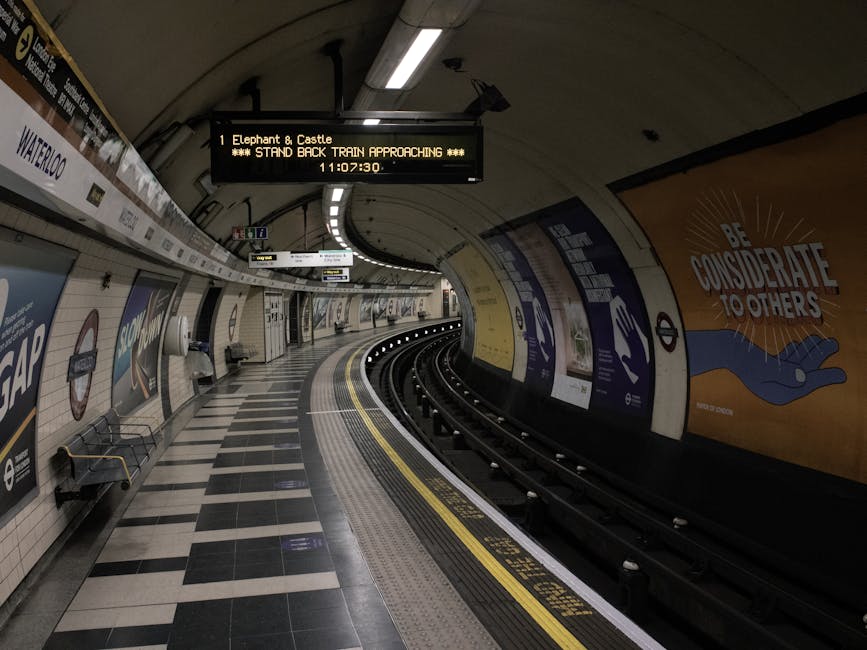
Elephant and Castle station guide to rubbish collection services
If you live, work, or manage property near Elephant and Castle station, rubbish collection can feel oddly complicated for something so ordinary. One week it is a broken wardrobe, the next it is bagged waste after a flat clear-out, and before you know it, the pavement is crowded, the lift is out, and everyone is asking who is taking what away. This Elephant and Castle station guide to rubbish collection services is here to make the whole thing clearer, calmer, and much more manageable.
Whether you are arranging a one-off collection, dealing with bulky items, or comparing local waste removal options, the aim is the same: get rid of rubbish safely, legally, and without wasting time. In a busy part of London, that matters. Miss a collection window and the mess hangs around. Book the wrong service and you may pay twice. Get it right, and everything feels lighter straight away.
Below, you will find practical guidance on how rubbish collection services work near Elephant and Castle station, who they help, what to check before you book, and the common mistakes that can make a simple job awkward. There is also a checklist, a comparison table, and a few real-world pointers that make sense in everyday London life. No fluff. Just useful detail.
Table of Contents
- Why Elephant and Castle station guide to rubbish collection services Matters
- How Elephant and Castle station guide to rubbish collection services Works
- Key Benefits and Practical Advantages
- Who This Is For and When It Makes Sense
- Step-by-Step Guidance
- Expert Tips for Better Results
- Common Mistakes to Avoid
- Tools, Resources and Recommendations
- Law, Compliance, Standards, or Best Practice
- Options, Methods, or Comparison Table
- Case Study or Real-World Example
- Practical Checklist
- Conclusion
- Frequently Asked Questions
Why Elephant and Castle station guide to rubbish collection services Matters
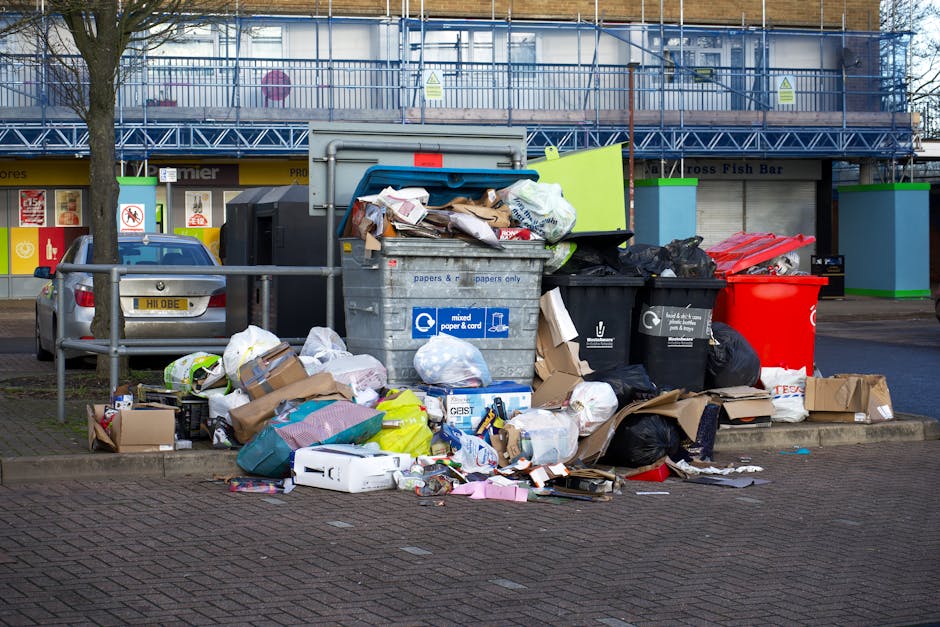
Elephant and Castle is not the kind of place where waste issues stay small for long. There is steady footfall, a mix of residential blocks, student flats, offices, shops, and building works, and all of that creates rubbish at different speeds. A missed bin, a damaged sofa left in a corridor, or a pile of packaging after a move can become a genuine nuisance very quickly.
That is why a local rubbish collection plan matters. It is not just about tidiness. It affects access, safety, neighbour relations, recycling performance, and in some cases the smooth running of a building. If you have ever seen a trolley blocking a shared entrance at 8:15 on a weekday, you will know exactly what I mean. Everyone is in a hurry, and suddenly the rubbish becomes everybody's problem.
For residents and landlords near the station, the right service helps you avoid repeated trips to the tip, unclear costs, and awkward last-minute decisions. For businesses, it can reduce clutter, improve presentation, and keep your site easier to manage. If you are unsure where to start, it may help to compare service information on the main Elephant and Castle clearance site and review their pricing and quotes guidance before making any booking decisions.
Practical takeaway: The best rubbish collection service is not always the cheapest or fastest. It is the one that fits your type of waste, your access conditions, and your timing without creating extra hassle.
How Elephant and Castle station guide to rubbish collection services Works
In simple terms, rubbish collection services near Elephant and Castle usually work in one of three ways: scheduled municipal collection, ad hoc private collection, or a specialist clearance service for bulky, mixed, or awkward waste. The right choice depends on what you need removed, how quickly it must go, and whether the items can be safely carried out of the property.
For everyday household waste, local collection arrangements may already be in place through the relevant borough service. But once you move into bulky furniture, builder's waste, mixed rubbish, or a flat clearance, private collection often becomes the easier route. That is especially true around station-adjacent properties where access can be tight, parking limited, and lift use restricted. Truth be told, a good team earns its keep mostly by handling the awkward bits without making a song and dance of it.
A typical private rubbish collection process looks something like this:
- Describe the waste clearly. List the type of items, approximate volume, and whether anything is heavy, fragile, or awkward to move.
- Share access details. Mention stairs, parking restrictions, loading bays, narrow entrances, or timed access requirements.
- Get a quote. A credible provider should explain how pricing works and whether labour, loading, or disposal is included. The site's pricing and quotes page can be useful here.
- Confirm the collection window. Around Elephant and Castle station, timing matters because traffic, loading restrictions, and building access can all add friction.
- Prepare the waste. Separate hazardous items, keep pathways clear, and make sure the team can identify what is staying and what is going.
- Collection and disposal. The crew removes the waste, sorts it where appropriate, and transports it for reuse, recycling, or lawful disposal.
One detail people often miss: access can influence the whole job more than the amount of rubbish. Two small bags on the tenth floor with no lift can take longer than a full room's worth of items on a ground-floor loading bay. That is just the reality of local collections in central London.
Key Benefits and Practical Advantages
A good rubbish collection service near Elephant and Castle should do more than haul away rubbish. It should make the day simpler and reduce the little stresses that build up around a busy property.
- Saves time: No repeated van trips, no dragging items through crowded streets, no hunting for disposal points.
- Reduces physical effort: Heavy furniture, white goods, and mixed rubbish can be tiring and risky to move without help.
- Improves safety: Clear corridors, entrances, and communal areas reduce trip hazards and blocked exits.
- Helps with recycling: A responsible provider will separate materials wherever possible, which supports better waste handling overall.
- Works around access issues: Good local services understand city-centre parking, narrow stairwells, and time-sensitive building rules.
- Provides a cleaner reset: After a move, refurb, or landlord handover, the difference is immediate. The flat feels usable again.
There is also the confidence factor. Once the rubbish is booked, you stop carrying it around in your head. That sounds minor, maybe, but it is surprisingly valuable when you are already dealing with a tenancy change, renovation, or end-of-term student move.
If sustainability matters to you, it is worth looking at how a provider approaches sorting and recycling. A page like recycling and sustainability information can help you check whether the service aligns with your expectations.
Who This Is For and When It Makes Sense
This kind of service is useful to a wide mix of people around Elephant and Castle station. The common thread is not who you are, but the type of waste situation you are dealing with.
Homeowners and renters
If you are clearing out a flat, replacing furniture, or dealing with a pile of packaging after delivery day, private rubbish collection can be the quickest fix. It is especially handy when council collections will not take certain bulky items or when the timing simply does not fit your schedule.
Landlords and letting agents
End-of-tenancy clearances are a classic use case. A property may need to be reset between occupiers, and leftover rubbish can delay cleaning, decoration, or viewings. The job often feels small on paper and much bigger in person, especially if tenants have left mixed contents behind.
Businesses and offices
Office moves, refurbishments, and stock changes generate cardboard, fixtures, packaging, and old equipment. A flexible collection service can reduce disruption and help keep operations moving.
Builders and tradespeople
Light construction waste, broken fittings, and renovation debris can pile up fast. Many trades prefer a collection arranged at the right point in the project rather than letting waste stack up until the end.
Property managers and housing teams
Shared buildings near the station often need a quick response when residents leave items in communal spaces. A service that understands access, timing, and security considerations is worth its weight in gold. If you are working in that context, you may also want to review their health and safety policy and insurance and safety information.
When does it make sense to book? Usually when the waste is too much for ordinary bins, too bulky for personal transport, too mixed for a simple council uplift, or too urgent to leave hanging around. Simple, really.
Step-by-Step Guidance
If you want a smooth rubbish collection near Elephant and Castle station, a bit of planning goes a long way. Here is a practical way to handle it without overthinking every detail.
- Sort the waste first. Separate reusable items, general rubbish, electrical items, and anything that may need special handling.
- Measure roughly. You do not need a laser level and a clipboard. Just note whether it is a few bags, a sofa, a roomful, or several bulky pieces.
- Check access conditions. Is there parking nearby? A lift? A concierge desk? Any restrictions on vans or loading times?
- Ask what is included. Labour, loading, recycling, disposal, and waiting time should all be clear before you agree.
- Request a clear quote. A proper quote should make the scope understandable, not mysterious. If in doubt, compare options through the pricing guidance page.
- Prepare the site. Move smaller items together, clear hallways, and make access as easy as possible.
- Confirm special items. Mattresses, fridges, paint, solvents, and electronics may need specific handling. Do not assume they are all treated the same.
- Be present if needed. For mixed clearances, someone should usually be there to answer questions and confirm what goes.
- Check the final result. Walk through the space once the collection is done. A quick check now saves headaches later.
One real-world trick: take a few photos before you book. Not glamorous, I know, but it helps both sides understand the job and reduces confusion if the space is awkward. It is especially useful in older buildings where the stairwell narrows at the landing and the lift has a mind of its own.
Expert Tips for Better Results
The best collections are usually the ones where the customer has done a little thinking up front. You do not need to become a waste expert. Just a few habits make a big difference.
- Group similar items together. Cardboard with cardboard, furniture with furniture, bags together. It speeds everything up.
- Be honest about volume. Underestimating waste is one of the quickest ways to get an awkward re-quote.
- Point out fragile or hazardous items. Broken glass, chemicals, batteries, and sharp metal need care.
- Ask about recycling routes. A responsible provider should be comfortable explaining how materials are handled.
- Plan collections outside peak congestion where possible. Around the station, a quieter slot can save time and stress.
- Keep building managers informed. If you share a block or commercial property, a quick heads-up avoids confusion at the entrance.
Another small but useful tip: if you are comparing providers, read their trust and support pages as well as their service pages. Policies like payment and security and the complaints procedure are not exciting reads, fair enough, but they tell you a lot about how the business is run.
And if you need to check the company background before you book, the home page is a sensible starting point. That is often where you can see whether the service feels properly established or a bit thrown together.
Common Mistakes to Avoid
Most rubbish collection problems are preventable. The same few mistakes crop up again and again, and they are usually easy to avoid once you know what to look for.
- Mixing hazardous items with normal waste: This can create safety and compliance problems. Keep anything uncertain separate until it is identified properly.
- Not explaining access restrictions: If the team arrives to find no parking, a locked gate, or a lift too small for bulky items, delays are almost guaranteed.
- Assuming everything counts as general rubbish: Electricals, fridges, plasterboard, paints, and some building materials may need different handling.
- Leaving the booking until the last minute: This is a classic. It often leads to higher stress, more expensive same-day decisions, and fewer collection windows.
- Choosing only on price: Cheapest can be fine, but if the quote is vague, it may not be the best value.
- Forgetting to check recycling and disposal standards: A credible provider should have a clear approach to responsible waste handling.
One more thing: do not pile everything in the smallest possible space hoping it will look "manageable" on the day. It usually makes the load harder to assess, not easier. Everyone ends up crouching, lifting, and guessing. Not ideal.
Tools, Resources and Recommendations
You do not need much kit to organise a rubbish collection well, but the right resources help you stay organised and avoid basic mistakes.
- Photos of the waste: Useful for quotes and access checks.
- A rough inventory: A short list of the main items saves time on the phone or in email.
- Measuring tape: Handy if you are dealing with bulky furniture or tight hallways.
- Building access notes: Floor level, lift size, parking restrictions, concierge contact, gate codes if appropriate.
- A clear separation system: Labels, boxes, or simply grouped piles can make the process smoother.
For readers who want to understand business standards and customer care before booking, a few useful pages are worth checking. The accessibility statement can be helpful if you need to know how the company supports easier use of the site. The health and safety policy and insurance and safety information are especially relevant where heavy lifting, shared access, or vulnerable property is involved.
If you are the sort of person who likes to know the rules before you commit, that is sensible. Not fussy. Sensible.
Law, Compliance, Standards, or Best Practice
Rubbish collection in London needs to follow normal UK waste handling expectations, and in practice that means you should only use a service that treats disposal responsibly. You do not need to memorise legislation to make a good choice, but you should expect clear communication, safe handling, and lawful disposal routes.
As a customer, your main responsibilities are straightforward: describe the waste accurately, do not hide hazardous materials in general rubbish, and make sure any collection arrangement is suitable for the space and the building rules. If a provider is unclear about how waste is sorted or where it goes, that is a warning sign.
Best practice usually includes:
- clear quotes and scope
- safe lifting and loading methods
- attention to communal areas and property protection
- recycling where practical
- proper handling of electrical and specialist waste
- respect for building access and local parking rules
It is also sensible to check company terms and support policies before booking, particularly if you are arranging payment online or need reassurance around accountability. Pages such as payment and security and modern slavery statement help show whether the business is taking wider ethical and operational responsibilities seriously.
Nothing fancy here, just good practice. And good practice, in waste services, saves time, money, and a fair bit of irritation.
Options, Methods, or Comparison Table
Different rubbish collection methods suit different situations. If you are near Elephant and Castle station, the best option often depends on how much waste you have and how difficult the access is.
| Method | Best for | Pros | Limitations |
|---|---|---|---|
| Scheduled council collection | Regular household waste and approved bulky uplifts | Usually simple for standard items; established process | May not suit urgent jobs, mixed waste, or awkward access |
| Private rubbish collection | Bulky items, mixed household waste, flat clearances | Flexible timing, tailored to access issues, quicker turnaround | Cost varies by load size and complexity |
| House clearance service | Full or partial property clear-outs | Good for larger jobs and end-of-tenancy situations | May be more than you need for a small one-off load |
| DIY disposal | Small loads if you have time and transport | Can be cheaper if everything goes smoothly | Time-consuming, labour-heavy, and not ideal for bulky or heavy items |
For many readers, private collection sits in the sweet spot. It is often easier than DIY disposal and more flexible than waiting for a scheduled uplift. If you are not sure whether your job needs a simple collection or a broader clearance, start with a quote and ask for a plain-English explanation. Good providers do that well.
Case Study or Real-World Example
Here is a typical local scenario. A tenant in a nearby flat leaves behind a sofa, two broken dining chairs, several bags of mixed rubbish, and a dismantled desk. The building has a small lift, a shared entrance, and limited parking. Not a disaster, but awkward enough.
Instead of trying to solve it in one rushed afternoon, the property manager photographs the items, notes the floor level, and checks access times. The collection team is told about the lift size, the entry code process, and the fact that the sofa may need carrying down the stairs if the lift is not usable on the day. A quote is then arranged using the details provided.
On collection day, the team arrives with the right vehicle size, removes the rubbish in a single visit, and leaves the flat ready for cleaning. No repeated trips. No surprise charges. No blocked hallway. That is the result you want.
The point here is not that every job goes perfectly. Some do not. But the more precise you are at the start, the more likely the outcome is clean and uneventful. And honestly, uneventful is exactly what you want from rubbish removal.
Practical Checklist
Use this quick checklist before you book or confirm a rubbish collection near Elephant and Castle station:
- Have I listed all the items to be removed?
- Do I know whether any waste is hazardous, electrical, or specialist?
- Have I checked access, parking, lift use, and any building restrictions?
- Have I taken a few photos for clarity?
- Do I know whether I need a partial collection, bulky item removal, or a full clearance?
- Have I asked what is included in the quote?
- Do I understand how payment works and whether there are any extra charges?
- Have I checked the provider's approach to recycling and responsible disposal?
- Have I allowed enough time for the job, especially if access is tight?
- Have I reviewed any relevant company policies or support pages?
If you can tick most of those boxes, you are in good shape. If not, take another five minutes. It is usually worth it.
Conclusion
Rubbish collection around Elephant and Castle station works best when it is treated as a practical planning job, not a rushed afterthought. The area's pace, access quirks, and mix of property types mean that a little preparation can save a lot of hassle. Know what you need removed, understand the access, choose the right collection method, and check the service details before you book.
Done well, the process is straightforward. The space clears, the stress drops, and the job gets out of your way so you can get on with everything else. That is the real value here. Not just removing waste, but removing friction.
If you are ready to compare options or want a clearer idea of what your collection might involve, use the service information, review the relevant support pages, and take the next step with confidence. Sometimes that is all it takes to turn a messy corner into a manageable one.
Get a free quote today and see how much you can save.
Frequently Asked Questions
What kinds of rubbish collection services are available near Elephant and Castle station?
You will usually find scheduled council collections for regular household waste, private rubbish collection for bulky or mixed waste, and house clearance services for larger or more complicated jobs. The best option depends on the type and volume of waste, plus how quickly it needs to go.
How do I know if I need a private collection instead of council waste collection?
If your waste is bulky, urgent, mixed, or difficult to move, private collection is often the easier choice. Council services may suit standard waste and approved items, but they are not always ideal for awkward clear-outs or time-sensitive jobs.
Can rubbish collection teams remove items from flats with no lift?
Yes, in many cases they can, but you should tell them in advance. Access details matter a lot. Stairs, tight landings, and parking restrictions can affect the plan, so it is best to be upfront from the start.
What should I do with electrical items and broken appliances?
Do not assume they can go with normal rubbish. Electrical items often need separate handling. Mention them when requesting a quote so the provider can confirm the right approach.
How much information should I give when asking for a quote?
As much as you can. Item type, approximate volume, number of floors, parking access, and any bulky or fragile items all help produce a more accurate quote. A few photos can make a real difference too.
Is recycling usually included in rubbish collection services?
It often is, but the exact level of sorting and recycling varies by provider and waste type. If sustainability matters to you, ask how materials are separated and check the company's recycling approach before booking.
What are the most common mistakes people make with rubbish collection?
The biggest mistakes are underestimating waste volume, forgetting access restrictions, mixing hazardous items with general waste, and booking too late. Any one of those can make a simple job more expensive or more stressful.
Can I book a same-day rubbish collection near Elephant and Castle?
Sometimes, yes, depending on availability and the size of the job. Same-day service is usually easier for smaller or straightforward collections. If the waste is bulky or access is complex, advance booking is safer.
How do I know a rubbish collection company is trustworthy?
Look for clear pricing, safety information, payment security details, and a sensible complaints procedure. Good providers are usually open about how they work and happy to explain the collection process in plain English.
What happens if I have hazardous or restricted items?
Tell the provider before booking. Hazardous items need special handling and should never be mixed in with ordinary rubbish. If you are unsure whether something counts as hazardous, ask first rather than guessing.
Do I need to be present during the collection?
Not always, but it is often helpful, especially if the waste is in several locations or access is tricky. Being present lets you answer questions, confirm items, and avoid any confusion on the day.
Where can I check service policies before booking?
Useful pages include the site's accessibility statement, payment and security information, insurance and safety details, and the complaints procedure. They are not thrilling reads, to be fair, but they do help you make a more informed decision.